

Bã cà phê đã qua sử dụng – tưởng chừng vô hại nhưng lại khiến môi trường phải trả một cái giá rất đắt đỏ. Với rất nhiều người, nhâm nhi một tách cà phê đậm đà là cách mà họ sẽ bắt đầu một ngày mới tràn đầy hứng khởi. Hay tách cà phê […]
Lưu trữ tác giả: Hanh Le
Product Information
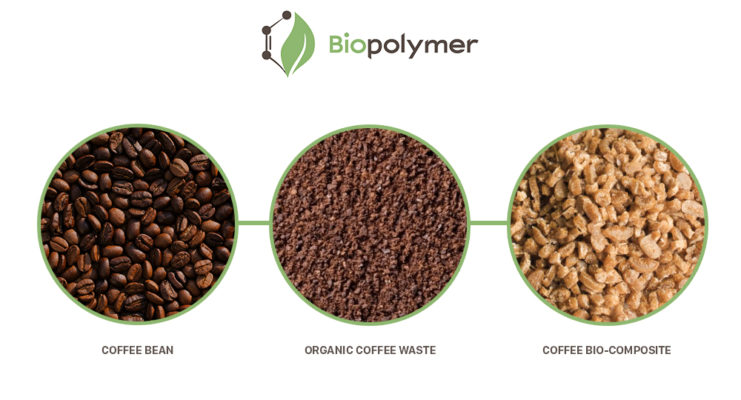
ORIGINAL OF COFFEE BIO-COMPOSITE SURPRISES YOU
Bioplastics are materials from different origins such as starch, rice husks, seaweed,… So where is [...]
Tiếp tục đọc 16
Th2
Th2
Application products
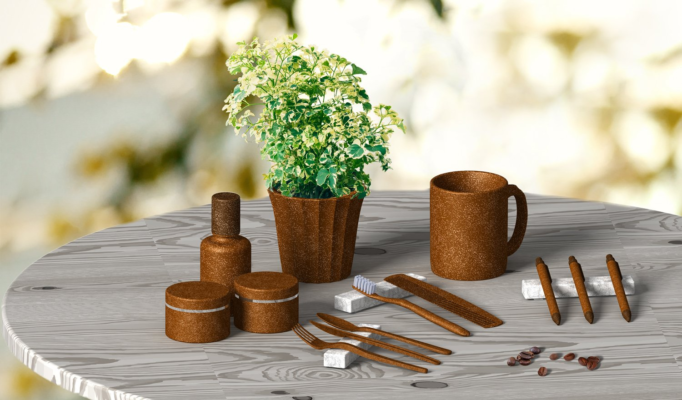
5 APPLICATIONS FROM COFFEE BIO-COMPOSITE VIET NAM
Join Biopolymer Vietnam to learn 5 applications from Coffee Bio-composite Viet Nam to see how [...]
Tiếp tục đọc 09
Th2
Th2
Product Information
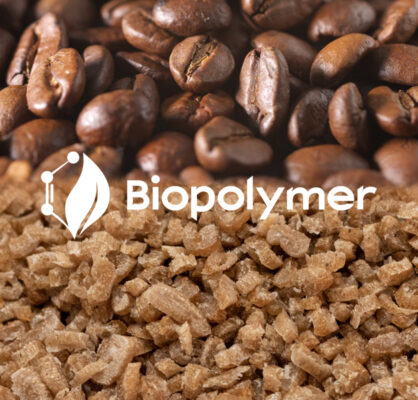
LEADING COFFEE BIO-COMPOSITE BIODEGRADABLE PLASTIC RESINS SUPPLIER IN VIETNAM
Biodegradable plastic in general and Coffee Bio-composite biodegradable plastic resins in particular are receiving more [...]
Tiếp tục đọc 10
Th1
Th1
Biodegradable Plastics Market
5 ECO-FRIENDLY BIOPLASTIC MADE FROM COFFEE GROUNDS IN THE WORLD
Not only in the Vietnamese market, bioplastic made from coffee grounds is also an environmentally [...]
Tiếp tục đọc 05
Th1
Th1
Product Information
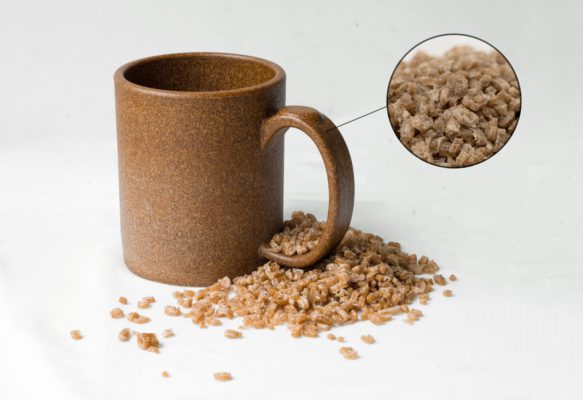
CORRECT UNDERSTANDING OF BIODEGRADABLE PLASTIC MADE OF COFFEE
You have heard about “Biodegradable plastic made of coffee” but are still vague and don’t [...]
Tiếp tục đọc 04
Th1
Th1
Product Information
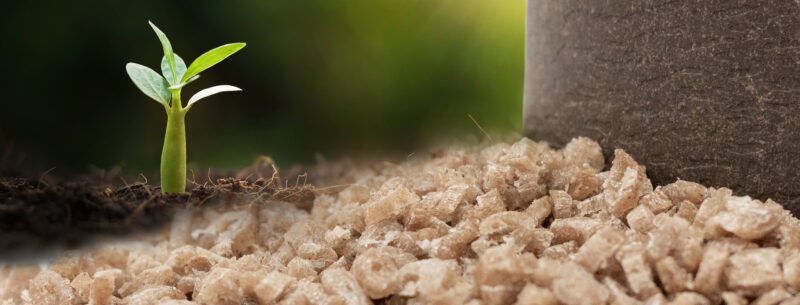
THE DURABILITY OF COFFEE BASED BIOPLASTIC
Although there are many types of bioplastics on the market, coffee based bioplastic still retain [...]
Tiếp tục đọc 29
Th12
Th12
Application products
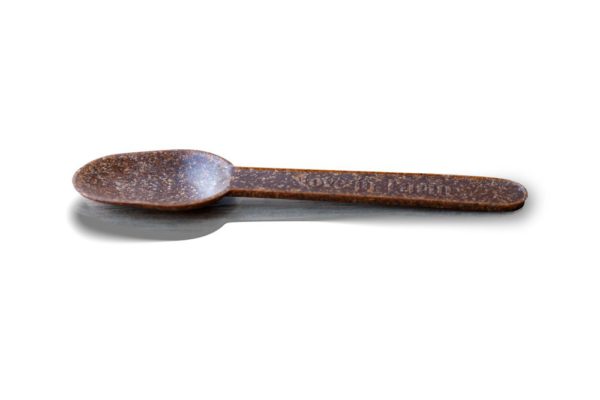
6 REASONS WHY WE SHOULD USE COFFEE BIOPLASTIC SPOONS
As a product created from Biopolymer’s coffee bioplastic, the coffee bioplastic spoon is both environmentally [...]
Tiếp tục đọc 13
Th12
Th12
Product Information
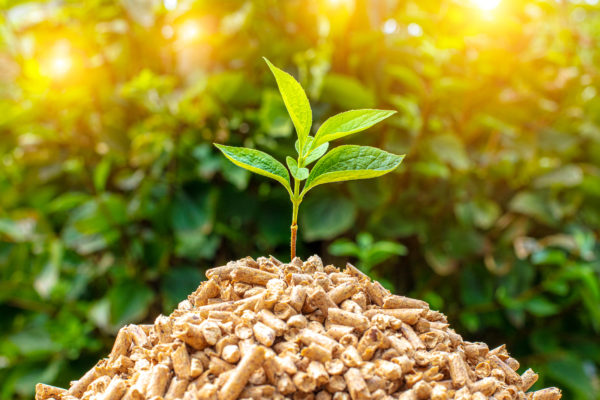
COFFEE BIOCOMPOSITE MADE FROM COFFEE GROUNDS CAN REPLACE TRADITIONAL PLASTIC.
The phrase “Coffee Biocomposite made from coffee grounds” or “Coffee bio-plastic” seems to have been [...]
Tiếp tục đọc 08
Th12
Th12
Biodegradable Plastics Market
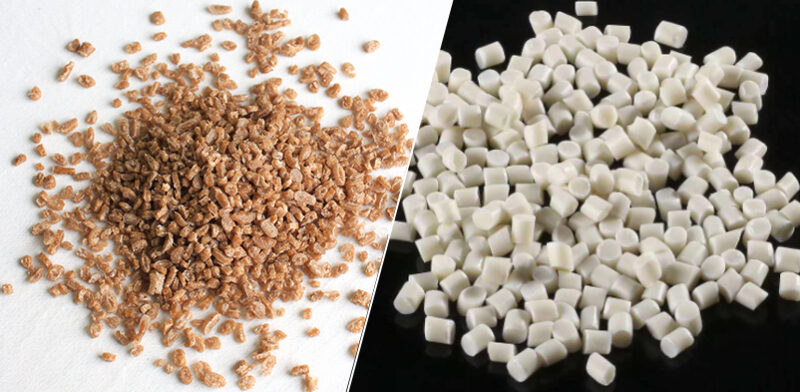
DISTINGUISH COFFEE BIO-COMPOSITE FROM PBAT BIOPLASTIC
Basically, how is Coffee Bio-composite different from PBAT? Let’s find out the differences from the [...]
Tiếp tục đọc 22
Th11
Th11
Application products
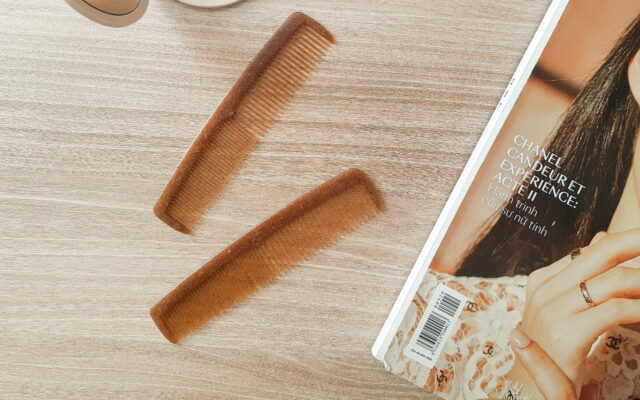
SURPRISE WITH ECO-FRIENDLY COMBS MADE FROM COFFEE
It is not difficult to find eco-friendly bio comb products made from wood or barley. [...]
Tiếp tục đọc 07
Th11
Th11
Product Information
COFFEE BIO-COMPOSITE BENEFITS COFFEE CAN REPLACE TRADITIONAL PLASTIC
The terms “coffee bio-composite” or “coffee bio-plastic” appear to have gained popularity in recent years, [...]
Tiếp tục đọc 07
Th11
Th11
Product Information
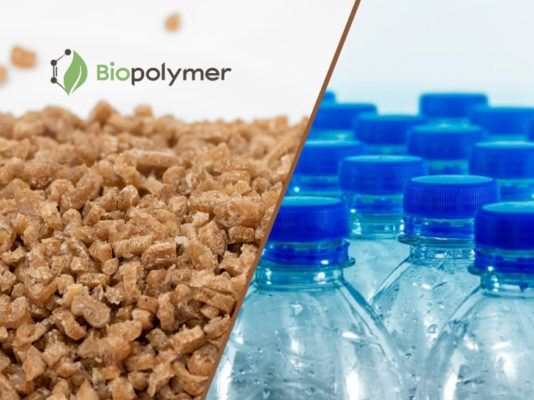
Coffee bioplastics differ from conventional plastics in four ways
What distinguishes coffee bioplastics from conventional plastics, and how does it affect the environment? In [...]
Tiếp tục đọc 09
Th10
Th10
Application products
5 COFFEE BIO-COMPOSITE VIETNAM APPLICATIONS
Join Biopolymer Vietnam to learn 5 applications from Coffee Bio-composite Vietnam to see how this [...]
Tiếp tục đọc 02
Th10
Th10
Product Information
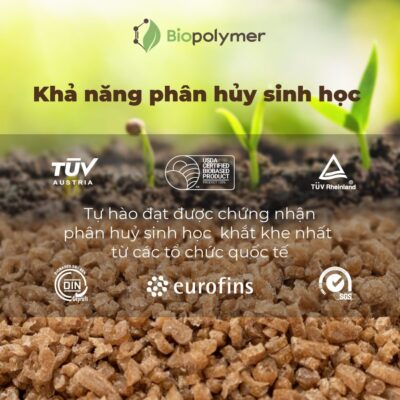
HOW DO COFFEE BIO-COMPOSITE DECOMPOSE?
The decomposition process of Coffee Bio-composite is divided into 3 main stages. Biodegradation can be [...]
Tiếp tục đọc 27
Th9
Th9
Product Information Biodegradable Plastics Market
VIETNAM’S FIRST COFFEE BIOPLASTICS PRODUCER
Biopolymer was initially successful and received a lot of support from the international market for [...]
1 Bình luận
Tiếp tục đọc 22
Th9
Th9
Product Information
5 SURPRISING BENEFITS FROM BIODEGRADABLE PLASTIC RESINS BIOPOLYMER
Derived from coffee grounds, biodegradable plastic resins Biopolymer which are seemingly simple are a very [...]
Tiếp tục đọc 20
Th9
Th9
Product Information Biodegradable Plastics Market
WHAT IS COFFEE BIO-COMPOSITE? PRICE OF BIO-PLASTIC PARTICLES
Coffee Bio-composite from coffee grounds is the first raw material product in Vietnam, laying the [...]
2 Bình luận
Tiếp tục đọc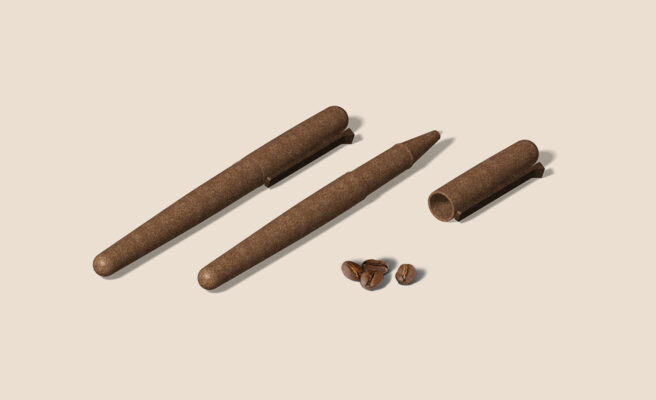
Application products News - Events
BIOPOLYMER LAUNCHES PENS MADE FROM COFFEE GROUNDS – COFFEE BIOPLASTIC PENS
Pens made from coffee grounds? To Biopolymer, everything starting with coffee is possible. even the [...]
Tiếp tục đọc 29
Th8
Th8
Tin tức - Sự kiện
CÁC QUỐC GIA CÓ TỈ LỆ TÁI CHẾ RÁC THẢI NHỰA CAO NHẤT THẾ GIỚI
Trong khi cả thế giới đang loay hoay với việc xử lý rác thải nhựa [...]
1 Bình luận
Tiếp tục đọc 30
Th8
Th8

Thông tin sản phẩm
4 CÁCH MUA HẠT NHỰA SINH HỌC COFFEE BIO-COMPOSITE Ở VIỆT NAM
Sản xuất sản phẩm từ nhựa sinh học nói chung và hạt nhựa sinh học [...]
Tiếp tục đọc 30
Th8
Th8
Tin tức - Sự kiện
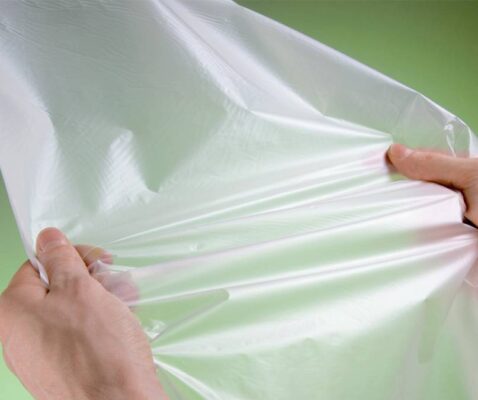
MÀNG NHỰA POLYME PHÂN HUỶ SINH HỌC MỚI ĐƯỢC TẠO TỪ PROTEIN THỰC VẬT
Màng nhựa polyme phân huỷ sinh học được tạo ra từ protein thực vật 100% [...]
Tiếp tục đọc 08
Th7
Th7
Tin tức - Sự kiện
NEW ZEALAND SẼ CẤM HẦU HẾT CÁC LOẠI NHỰA DÙNG MỘT LẦN VÀO NĂM 2025
Mới đây trong tháng 6/2021, New Zealand đã ban hành các điều luật để tiến [...]
Tiếp tục đọc 03
Th7
Th7
Sản phẩm ứng dụng
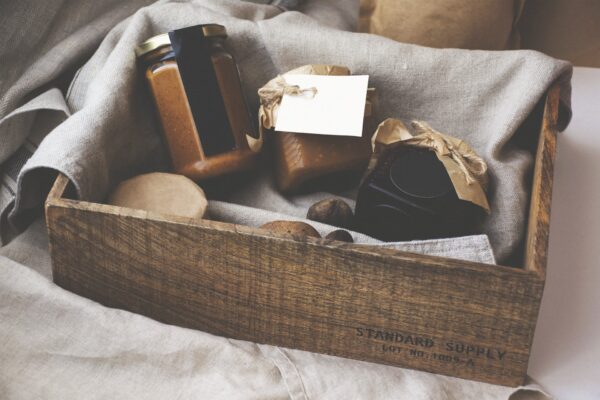
4 Quà tặng thân thiện môi trường từ nhựa sinh học Coffee Bio-composite
Quà tặng thân thiện môi trường từ nhựa sinh học Coffee Bio-composite? quà tặng vừa [...]
Tiếp tục đọc 02
Th7
Th7
Sản phẩm ứng dụng
BIOPOLYMER TRÌNH LÀNG BÚT NHỰA SINH HỌC CÀ PHÊ THÂN THIỆN MÔI TRƯỜNG MỚI
Bút làm từ cà phê? Với Biopolymer, tất cả mọi điều bắt nguồn từ cà [...]
14 Bình luận
Tiếp tục đọc 30
Th6
Th6
Thị trường vật liệu sinh học
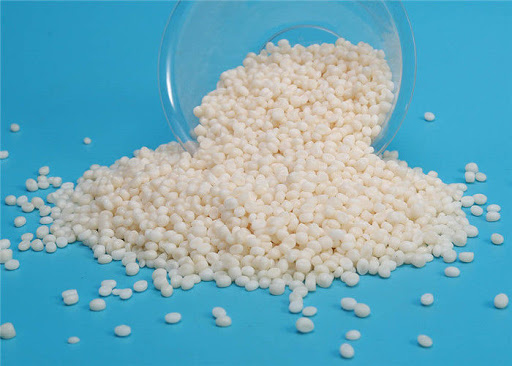
NHỰA PHÂN HUỶ SINH HỌC PBS VÀ 3 ĐIỀU CẦN BIẾT
Cùng với các loại nhựa sinh học phổ biến như PLA, Coffee Bio-composite,... thì nhựa [...]
Tiếp tục đọc 29
Th6
Th6
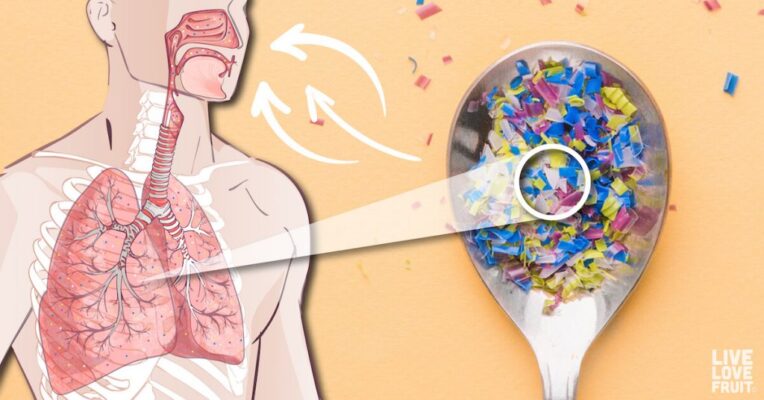
Tin tức - Sự kiện
VI NHỰA ĐI VÀO KHÍ QUYỂN – HIỂM HOẠ VÔ HÌNH ĐẾN SỨC KHOẺ
Vi nhựa chúng đang đe doạ trực tiếp và gián tiếp đến sức khoẻ của [...]
Tiếp tục đọc 28
Th6
Th6
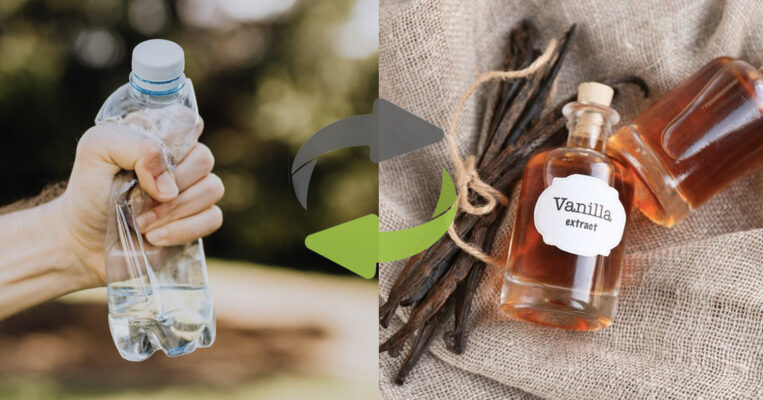
Tin tức - Sự kiện
TÁI CHẾ RÁC THẢI NHỰA THÀNH HƯƠNG LIỆU VANI BẰNG VI KHUẨN.
Làm kem vani từ việc tái chế rác thải nhựa? Nghe tên gọi có vẻ [...]
Tiếp tục đọc 25
Th6
Th6
Thông tin sản phẩm
NHÀ CUNG CẤP HẠT NHỰA PHÂN HUỶ SINH HỌC COFFEE BIO-COMPOSITE HÀNG ĐẦU VIỆT NAM
Nhựa phân huỷ sinh học nói chung và hạt nhựa phân huỷ sinh học coffee [...]
3 Bình luận
Tiếp tục đọc 24
Th6
Th6
Thị trường vật liệu sinh học
TÌM HIỂU VỀ 5 LOẠI NHỰA SINH HỌC TỪ CÀ PHÊ THÂN THIỆN MÔI TRƯỜNG TRÊN THẾ GIỚI
Không chỉ riêng tại thị trường Việt Nam, nhựa sinh học từ cà phê cũng [...]
Tiếp tục đọc 23
Th6
Th6
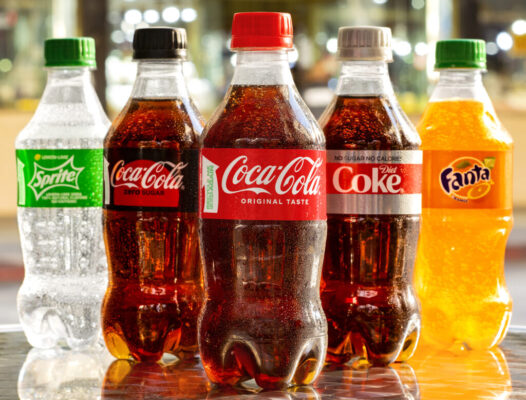
Tin tức - Sự kiện
COCA-COLA SẼ CẮT GIẢM 20% NHỰA NGUYÊN SINH NHỜ CHAI TÁI CHẾ MỚI
Hãng nước ngọt khổng lồ Coca-Cola được coi là một trong những tập đoàn gây [...]
Tiếp tục đọc 21
Th6
Th6
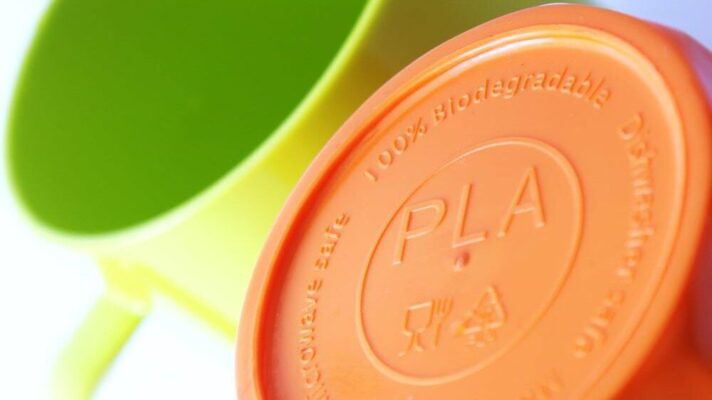
Thị trường vật liệu sinh học
NHỰA PHÂN HUỶ SINH HỌC PLA LÀ GÌ? VAI TRÒ CỦA PLA TRONG “CHUYỂN ĐỔI XANH”
Nhựa phân hủy sinh học PLA là một loại nhựa sinh học nhiệt dẻo có [...]
2 Bình luận
Tiếp tục đọc 19
Th6
Th6
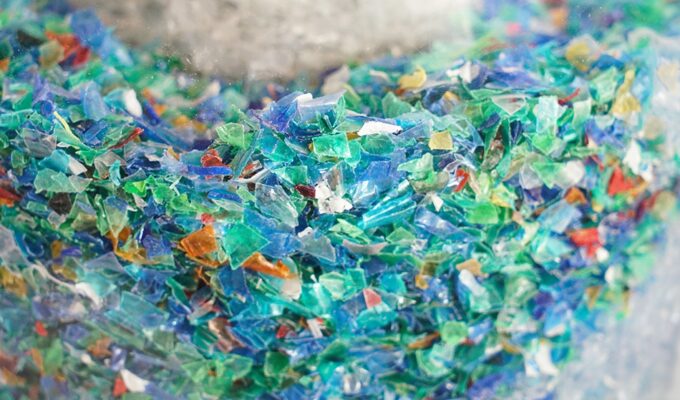
Tin tức - Sự kiện
HỒNG KÔNG DÙNG VI SINH VẬT ĐỂ LOẠI BỎ VI NHỰA KHỎI MÔI TRƯỜNG.
Tại Đại học Bách khoa Hồng Kông, nhóm nghiên cứu và cộng sự đã nghiên [...]
Tiếp tục đọc 18
Th6
Th6
Sản phẩm ứng dụng
BẤT NGỜ VỚI CHIẾC LƯỢC LÀM TỪ CÀ PHÊ THÂN THIỆN VỚI MÔI TRƯỜNG
Lược làm từ cà phê được sản xuất từ nguyên liệu hạt nhựa sinh học [...]
Tiếp tục đọc 17
Th6
Th6
Thị trường vật liệu sinh học
PHÂN BIỆT NHỰA SINH HỌC COFFEE BIO-COMPOSITE VÀ NHỰA SINH HỌC PBAT
Về cơ bản, hạt nhựa sinh học Coffee Bio-composite khác gì so với nhựa sinh [...]
Tiếp tục đọc 16
Th6
Th6
Thông tin sản phẩm Thị trường vật liệu sinh học
HẠT NHỰA SINH HỌC COFFEE BIO-COMPOSITE LÀ GÌ? GIÁ HẠT NHỰA SINH HỌC
Nguyên liệu hạt nhựa sinh học Coffee Bio-composite từ bã cà phê chính là một [...]
1 Bình luận
Tiếp tục đọc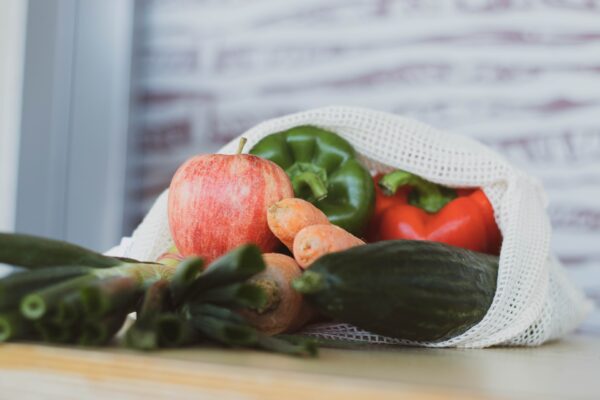
Tin tức - Sự kiện
MÁCH BẠN 4 QUY TẮC TIÊU DÙNG XANH THÔNG MINH
Tiêu dùng xanh bắt nguồn từ nhiều khía cạnh và đòi hỏi một số những [...]
Tiếp tục đọc 07
Th6
Th6

Tin tức - Sự kiện
CAM KẾT SỬ DỤNG 100% NHỰA TÁI CHẾ TỪ “GÃ KHỔNG LỒ” UNILEVER
Năm 2019, "Gã khổng lồ" ngành tiêu dùng Unilever đã tuyên bố cam kết dùng [...]
Tiếp tục đọc 04
Th6
Th6
Thông tin sản phẩm
HẠT NHỰA SINH HỌC COFFEE BIO-COMPOSITE PHÂN HUỶ NHƯ THẾ NÀO?
Quá trình phân hủy của hạt nhựa sinh học Coffee Bio-composite được chia thành 3 [...]
Tiếp tục đọc 03
Th6
Th6
Thông tin sản phẩm
5 LỢI ÍCH BẤT NGỜ TỪ HẠT NHỰA PHÂN HUỶ SINH HỌC CÀ PHÊ BIOPOLYMER
Từ nguyên liệu cà phê rất đỗi bình thường, hãy cùng Biopolymer tìm hiểu về [...]
Tiếp tục đọc 01
Th6
Th6
Thông tin sản phẩm
ĐỘ BỀN ĐÀN HỒI CỦA NHỰA PHÂN HUỶ SINH HỌC COFFEE BIO-COMPOSITE
Tuy rằng trên thị trường tồn tại nhiều loại nhựa sinh sinh học, hạt nhựa [...]
Tiếp tục đọc 29
Th5
Th5
Tin tức - Sự kiện
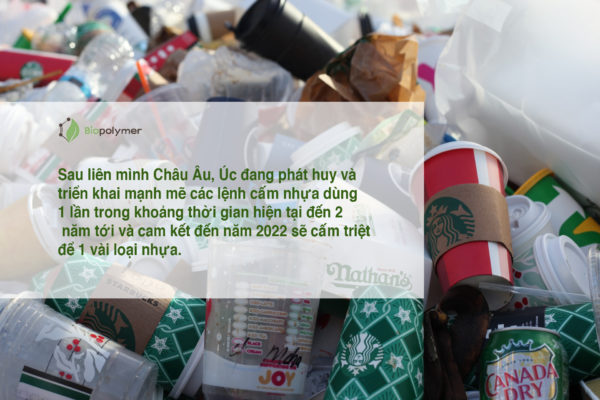
5 BANG TẠI ÚC CHÍNH THỨC CẤM NHỰA DÙNG MỘT LẦN
Trước hồi chuông cảnh báo của môi trường sống, chỉ thị cấm nhựa dùng một [...]
Tiếp tục đọc 27
Th5
Th5
Thông tin sản phẩm
NGUỒN GỐC NHỰA SINH HỌC COFFEE BIO-COMPOSITE KHIẾN BẠN BẤT NGỜ
Nhựa sinh học là loại vật liệu có nguồn gốc khác nhau như tinh bột, [...]
Tiếp tục đọc 26
Th5
Th5
Sản phẩm ứng dụng
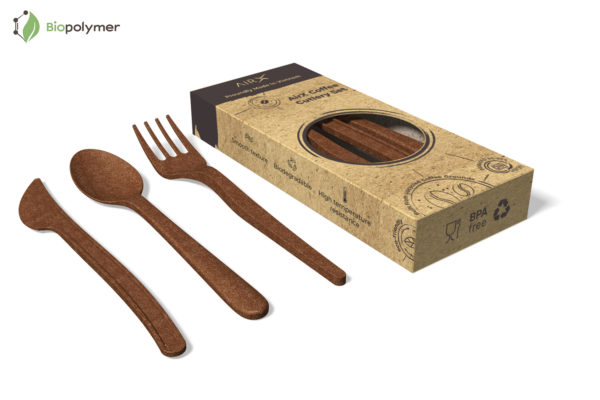
GIẢM THIỂU NHỰA DÙNG 1 LẦN VỚI BỘ DAO THÌA NĨA SINH HỌC TỪ CÀ PHÊ
Đứng trước thực trặng ô nhiễm, giải pháp sử dụng dao thìa nĩa sinh học [...]
Tiếp tục đọc 24
Th5
Th5
Sản phẩm ứng dụng
5 ỨNG DỤNG TỪ HẠT NHỰA SINH HỌC COFFEE BIO-COMPOSITE VIỆT NAM
Cùng Biopolymer Việt Nam tìm hiểu 5 ứng dụng từ hạt nhựa sinh học Coffee [...]
Tiếp tục đọc 23
Th5
Th5
Tin tức - Sự kiện
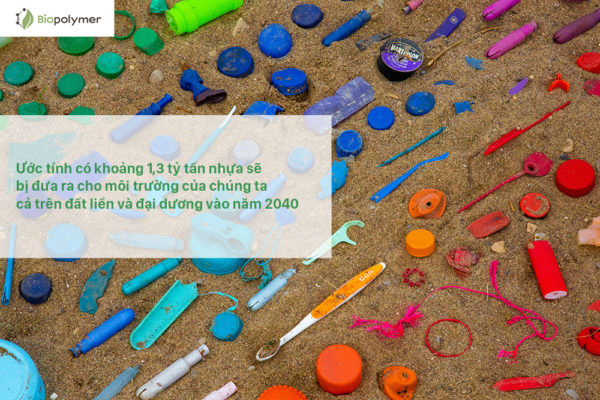
DỰ ĐOÁN “ĐÁNG KINH NGẠC” VỀ Ô NHIỄM NHỰA NĂM 2040
Báo cáo được công bố trên tạp chí Science về ô nhiễm nhựa ước tính [...]
Tiếp tục đọc 22
Th5
Th5
Thông tin sản phẩm
4 ĐIỂM KHÁC NHAU GIỮA NHỰA SINH HỌC CÀ PHÊ VÀ NHỰA TRUYỀN THỐNG
Nhựa sinh học cà phê và nhựa truyền thống có những đặc điểm nào khác [...]
Tiếp tục đọc 22
Th5
Th5
Thị trường vật liệu sinh học Thông tin sản phẩm
ĐƠN VỊ SẢN XUẤT HẠT NHỰA SINH HỌC COFFEE BIO-COMPOSITE ĐẦU TIÊN TẠI VIỆT NAM
Biopolymer, cái tên được biết đến với loại vật liệu nhựa sinh học Coffee Bio-composite [...]
Tiếp tục đọc 16
Th5
Th5
Thông tin sản phẩm
HIỂU ĐÚNG VỀ NHỰA PHÂN HUỶ SINH HỌC CÀ PHÊ COFFEE BIO-COMPOSITE
Bạn đã từng nghe qua về “Nhựa phân huỷ sinh học cà phê Coffee Bio-composite” [...]
Tiếp tục đọc 15
Th5
Th5
Thông tin sản phẩm
HẠT NHỰA SINH HỌC COFFEE BIO-COMPOSITE TỪ CÀ PHÊ CÓ THỂ THAY THẾ NHỰA TRUYỀN THỐNG
hạt nhựa sinh học Coffee Bio-Composite từ cà phê là sự kết hợp độc đáo [...]
4 Bình luận
Tiếp tục đọc 14
Th5
Th5
Sản phẩm ứng dụng
6 LÝ DO NÊN SỬ DỤNG MUỖNG NHỰA SINH HỌC CÀ PHÊ ĐỘC ĐÁO
Các rất nhiều loại sản phẩm muỗng nhựa trên thị trường tuy nhiên không phải [...]
Tiếp tục đọc 13
Th5
Th5

13
Th12
Th12
As a product created from Biopolymer’s coffee bioplastic, the coffee bioplastic spoon is both environmentally friendly and meets all the needs of users thanks to its outstanding features. Environmentally friendly solution On average, Vietnam consumes about 5.5 million disposable yogurt spoons per day and annually at least 2 billion spoons will be produced to serve […]

06
Th12
Th12
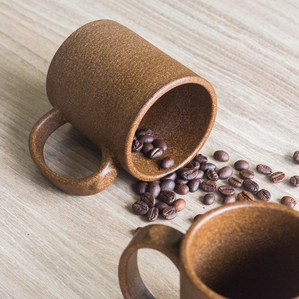
Where is a factory manufacturing cups made from coffee grounds? How to buy cups and other products made from coffee grounds ? Biopolymer is proud to be a pioneer in researching and successfully producing cups made from coffee grounds in Vietnam. We also own the first factory manufacturing cups made from coffee grounds in Vietnam. […]
30
Th11
Th11
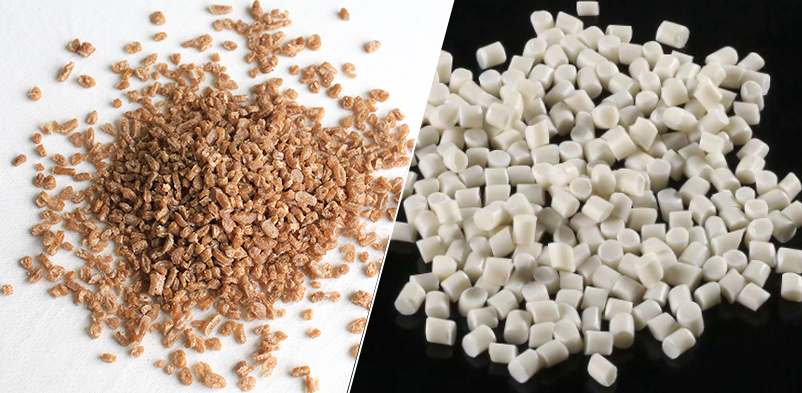
Did you know that about 1 million plastic bottles are sold in the world every minute, and about 5 trillion plastic bags are consumed every year. Even more terrible is that every year the amount of plastic waste generated by humans is enough to cover 4 times the area of the earth’s surface, of which […]
22
Th11
Th11
Basically, how is Coffee Bio-composite different from PBAT? Let’s find out the differences from the origin to the physical properties and applications of these two plastics through the comparison below. Derivation Coffee Bio-composite: this is a biodegradable plastic derived from coffee grounds that are collected selectively and combined with PP/PE primary plastic. Bioplastic PBAT (polybutylene […]

16
Th11
Th11
Bioplastic is no longer a strange concept to the plastic industry, as well as other application industries. However, coffee bioplastics (made from coffee grounds) may be quite new to the Vietnam market. What is coffee bioplastic? If bioplastic is simply understood as raw materials produced from plant origin such as starch, bamboo, seaweed, bagasse, etc., […]

07
Th11
Th11
It is not difficult to find eco-friendly bio comb products made from wood or barley. However, have you ever heard of combs made from coffee? Let’s find out with Biopolymer what makes this unique eco-friendly product special! Why are comb products made from environmentally friendly materials on the throne? Not merely a temporary consumption trend, […]

07
Th11
Th11
Latte cups made from coffee ground are inspired by traditional coffee cups, with a “timeless” style, latte cups made from coffee ground promise to bring customers the best experience. Latte cups made from coffee ground The world is facing serious problems of pollution and environmental degradation such as soil erosion, deforestation, or overexploitation of coastal […]

24
Th10
Th10
Products made from coffee bio-composite in general and cups made from coffee grounds are among the most prominent eco-friendly biological products today. So what are the uses of a cup made from coffee? What are the advantages and disadvantages of this type of bio-plastic cups? Please follow the article below of Biopolymer to better understand these […]
19
Th10
Th10
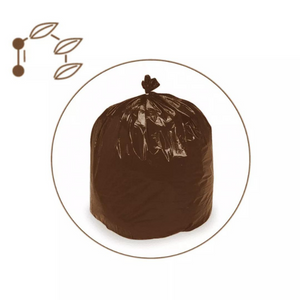
Biodegradable garbage bags made from coffee grounds are a great solution to limit environmental pollution caused by plastic bags in the world. According to the United Nations Development Program (UNDP), the number of plastic bags consumed in 1 hour can wrap 7 times around the earth if placed next to each other. This is a […]